Tanzania’s Hidden Elephant Kingdom
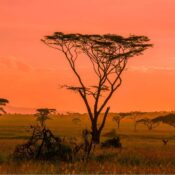
Beneath towering baobab trees and across endless golden savannahs, Tarangire National Park offers one of Tanzania’s most authentic and rewarding safari experiences. Often overshadowed by its famous northern neighbors, Tarangire is a place where wildlife dominates the landscape, crowds are minimal, and every game drive feels personal and immersive.
Covering approximately 2,850 square kilometers, Tarangire is best known for its vast elephant populations, ancient baobabs, and dramatic seasonal wildlife movements centered around the life-giving Tarangire River.
The Story Behind the Name: Tarangire National Park
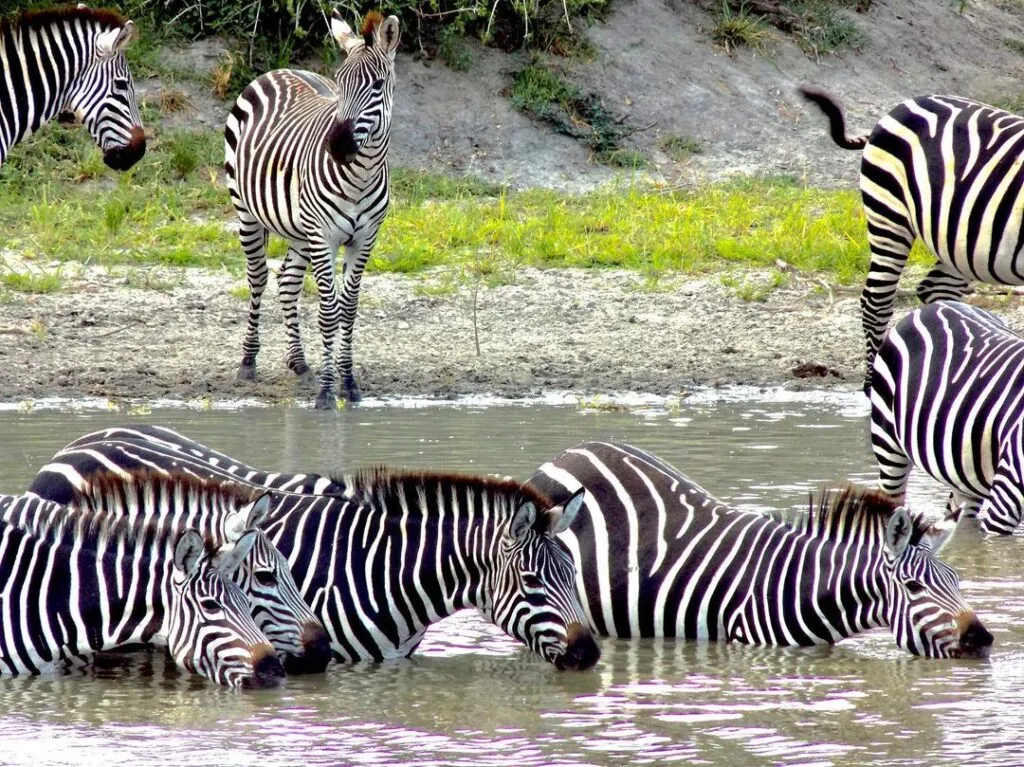
The name “Tarangire” originates from the Maasai phrase “Tara-ngire”, meaning “the wandering river.” This name reflects the river’s serpentine flow through the savannah and its vital role as the park’s main water source during the dry season.
For centuries, Maasai pastoralists, Rangi farmers, and Iraqw communities depended on this river, using it as a meeting point for grazing, farming, trade, and storytelling. When Tarangire was officially declared a national park in 1970, the name remained — preserving the deep cultural connection between people and landscape.
A Landscape Sculpted by Time
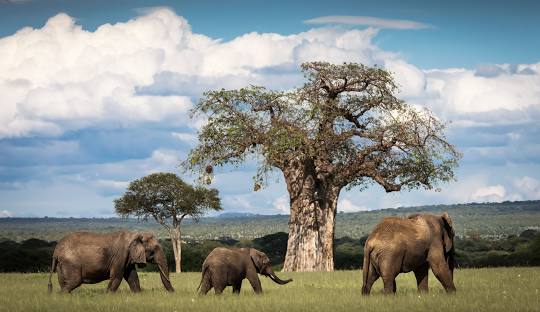
Tarangire’s terrain is shaped by ancient geological activity within the Maasai Steppe ecosystem. Rolling grasslands, seasonal wetlands, acacia woodlands, and riverine forests create a visually striking and ecologically diverse environment.
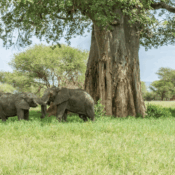
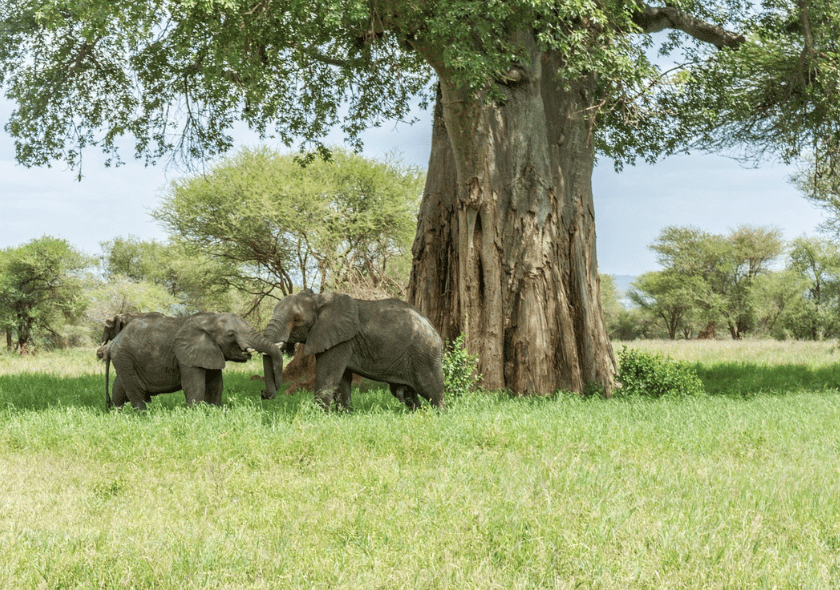
The park’s most iconic features are its giant baobab trees, some over a thousand years old. These trees store water in their massive trunks, allowing them to survive extreme dry seasons and become natural gathering points for wildlife.
During the rainy season, the Tarangire River floods surrounding plains, while in the dry months it retreats into a series of pools — transforming the park into a magnet for animals.
Wildlife Wonders Beyond Imagination
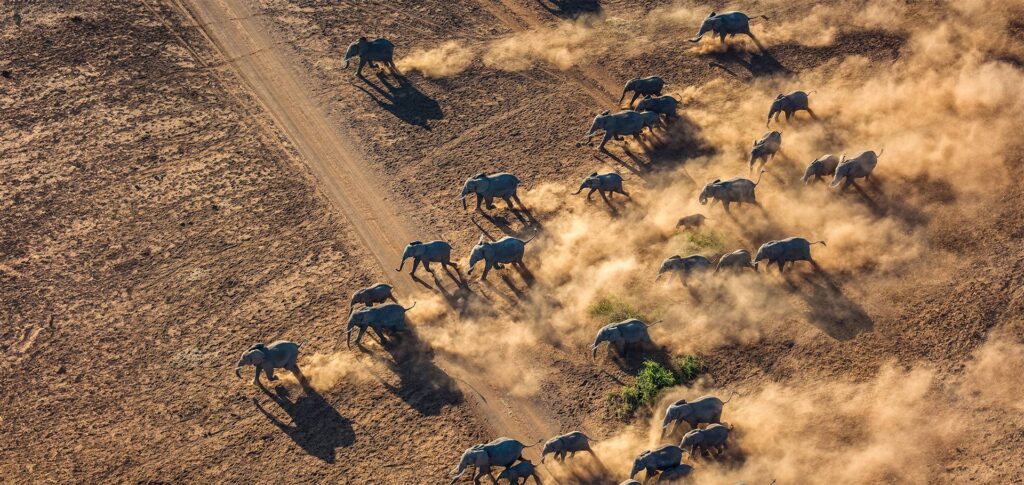
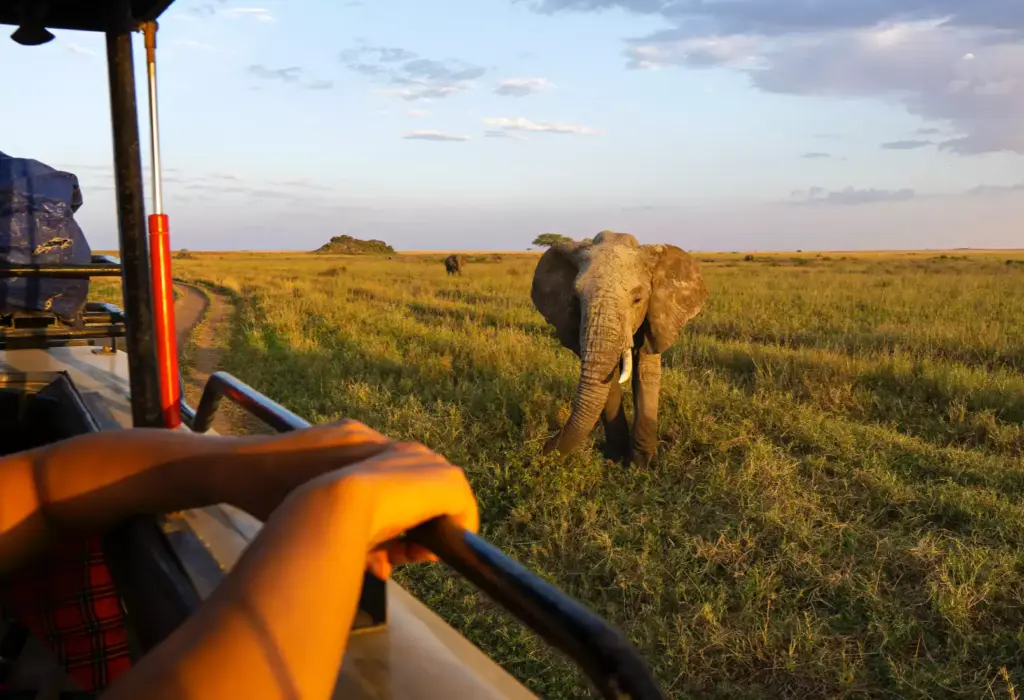
Tarangire is often referred to as Tanzania’s elephant capital, hosting one of the largest elephant populations in East Africa. Herds of hundreds can be seen moving calmly across the park, often passing close to safari vehicles.
Predators thrive here too. Lions patrol the riverbanks, leopards hide among sausage trees, and cheetahs scan the open plains. Occasionally, lucky visitors may spot African wild dogs, one of the continent’s rarest carnivores.
Bird lovers are equally rewarded, with over 550 recorded bird species, including martial eagles, secretary birds, storks, and colorful migratory species during the green season.
The Great Dry Season Gathering
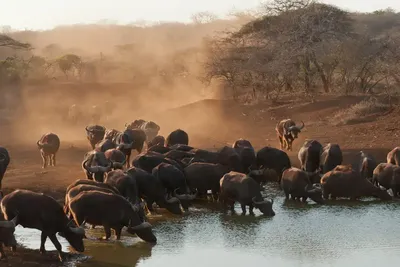
From June to October, Tarangire becomes the stage for one of Tanzania’s most impressive wildlife concentrations. As water sources dry up across the Maasai Steppe, animals migrate toward the Tarangire River.
Elephants, buffalo, wildebeest, zebra, giraffe, and antelope gather in astonishing numbers — sometimes exceeding 300,000 mammals. This creates intense predator-prey interactions and some of the most reliable big-game viewing in the country, without the congestion found in more famous parks.
Experiencing Tarangire’s Wilderness
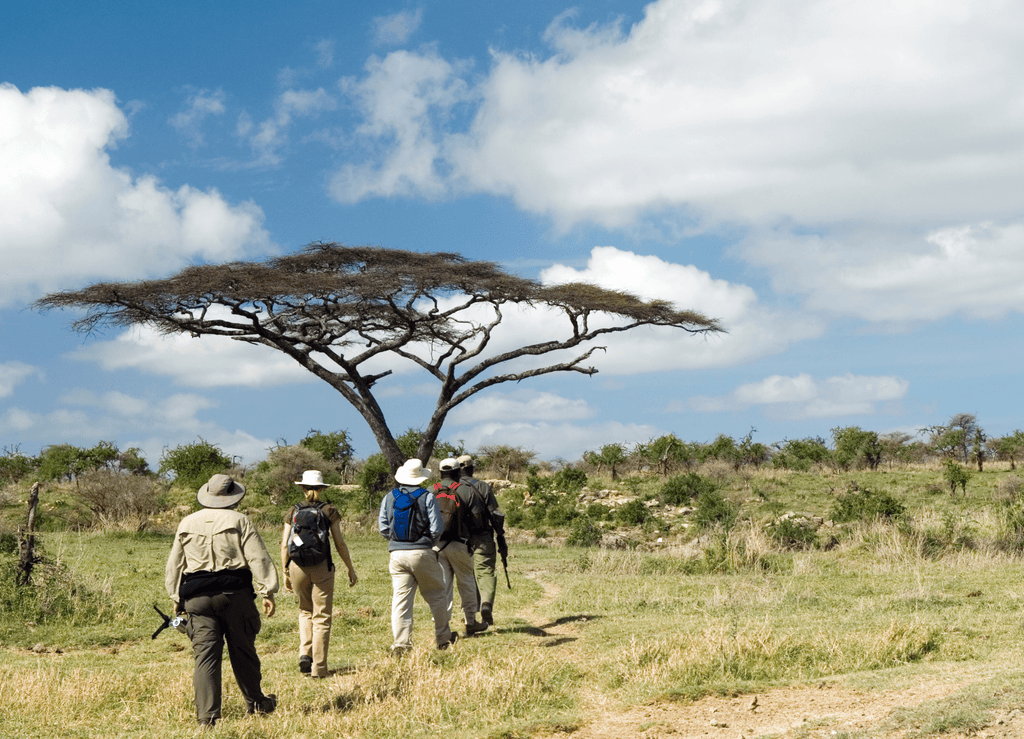
Tarangire offers more than traditional game drives. Visitors can enjoy:
- Walking safaris with armed rangers, learning to read animal tracks and identify medicinal plants
- Night drives in designated areas, revealing nocturnal species like serval cats, porcupines, and aardvarks
- Cultural visits to nearby Maasai and Barabaig communities, offering insight into traditional lifestyles and conservation partnerships
These experiences create a deeper connection to the land and its people.
Conservation Successes and Challenges
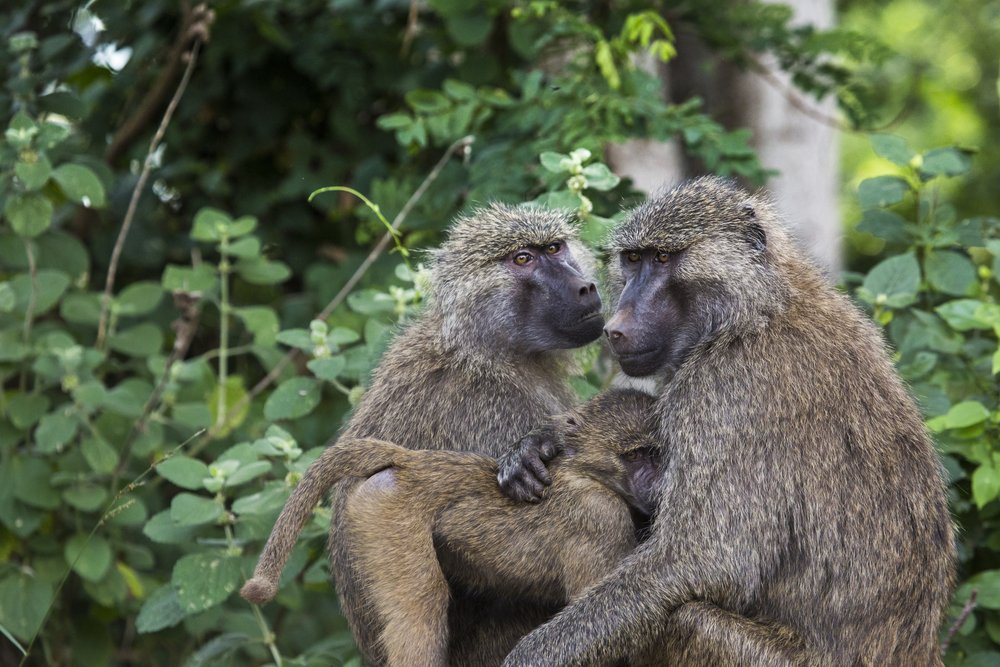
Tarangire stands as a conservation success story. Strong anti-poaching measures and community involvement have allowed elephant populations to recover and thrive.
Innovative solutions such as beehive fences help reduce human-wildlife conflict, while wildlife corridors connect Tarangire to surrounding ecosystems, ensuring healthy migration routes and genetic diversity.
Tourism here directly supports conservation, education, and local livelihoods — making every visit meaningful.
Planning Your Visit to Tarangire National Park
Tarangire is a year-round destination:
- Dry Season (June–October): Best wildlife concentration and game viewing
- Green Season (November–May): Lush landscapes, fewer visitors, excellent birdlife
The park is easily accessible from Arusha and fits perfectly into northern circuit itineraries alongside Lake Manyara, Ngorongoro Crater, and Serengeti. Even a 1–2 day visit offers an outstanding safari experience.
The Call of the Wild
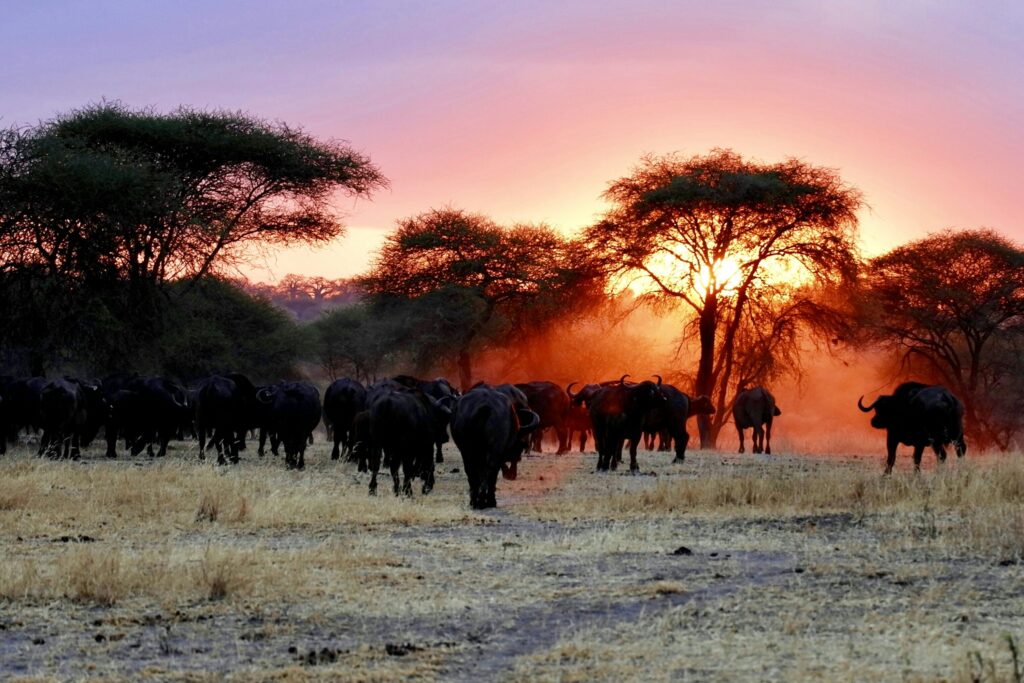
Tarangire National Park captures the Africa many travelers dream of — wild, uncrowded, and deeply connected to nature’s rhythms. From the trumpet of elephants at dusk to lions roaring beneath star-filled skies, Tarangire leaves a lasting imprint on the soul.
It’s not just a safari destination — it’s a return to the raw essence of Africa.
Visit Tarangire National Park with Kache Tours
At Kache Tours, we design responsible, well-guided Tarangire safaris that prioritize wildlife, comfort, and authentic experiences. Our local expertise ensures smooth logistics, knowledgeable guides, and meaningful encounters — whether you’re visiting for a day or combining Tarangire with Tanzania’s top parks.
📩 Plan Your Tarangire Safari
- Email: info@kachetours.com
- WhatsApp: +255 774 032 700
Talk to us today and start planning your unforgettable Tarangire safari.