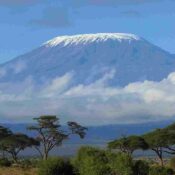
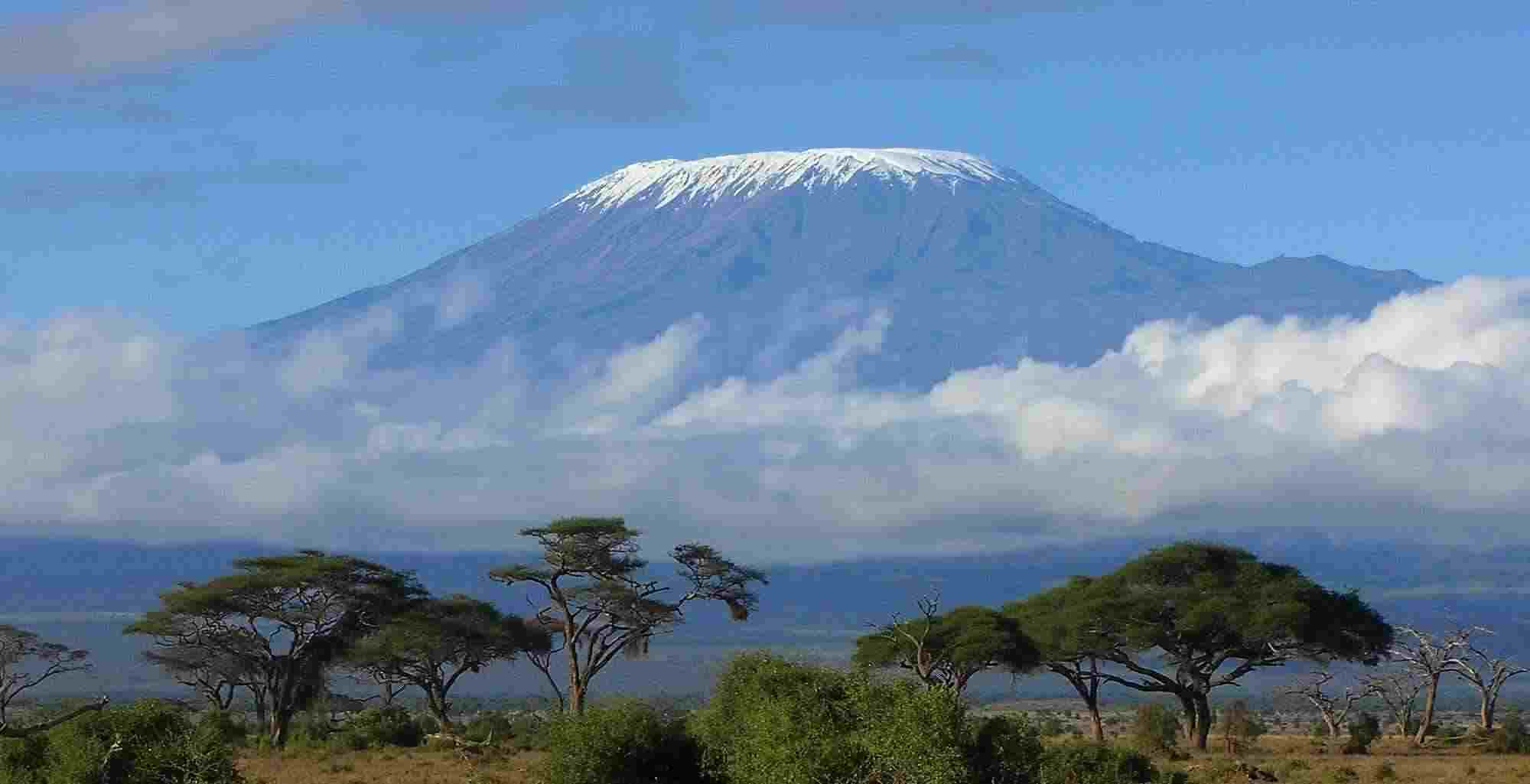
Mount Kilimanjaro is Africa’s highest mountain and one of the world’s most iconic natural landmarks. Rising to 5,895 meters (19,341 ft) above sea level, this majestic free-standing volcano dominates northern Tanzania’s landscape and attracts trekkers from across the globe.
Despite being located near the equator, Kilimanjaro’s summit remains capped with snow and glaciers, earning it the legendary title “The Roof of Africa.” Whether you are an adventurer seeking a life-changing climb or a traveler fascinated by nature, culture, and conservation, Kilimanjaro offers an unforgettable experience.
Geological Formation & Natural Features
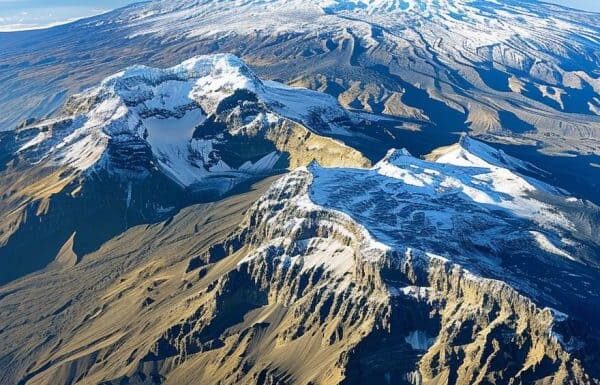
Mount Kilimanjaro is a stratovolcano made up of three volcanic cones:
-
Kibo (5,895m) – The highest and only dormant cone, home to Uhuru Peak
-
Mawenzi (5,149m) – Rugged and technical, suited for experienced climbers
-
Shira (3,962m) – The oldest cone, now forming a wide plateau
The mountain was formed nearly a million years ago through volcanic activity along the East African Rift System. Its glaciers and ice fields, though rapidly retreating, remain one of its most striking features.
Climate & Ecological Zones
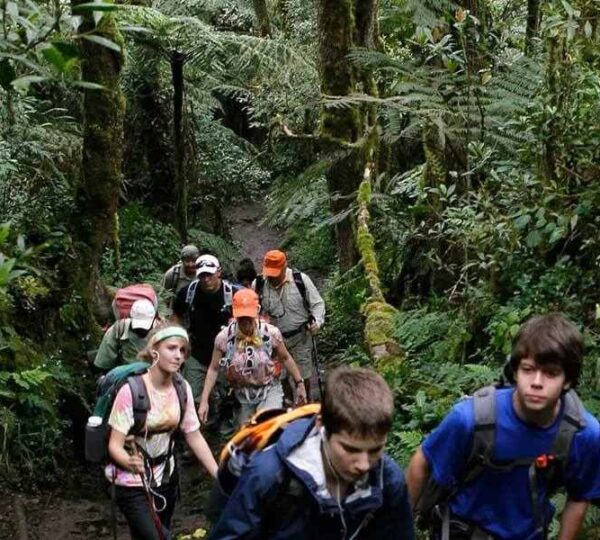
Climbing Mount Kilimanjaro is like walking from the equator to the Arctic in just a few days. The mountain passes through five ecological zones:
-
Cultivated Zone – Farms and villages at the base
-
Rainforest Zone – Lush vegetation, monkeys, and birdlife
-
Heath & Moorland – Open landscapes with giant plants
-
Alpine Desert – Harsh, dry, and windy terrain
-
Arctic Zone – Ice, snow, and extreme cold near the summit
Temperatures can range from hot and humid at the base to below freezing near the peak, making proper preparation essential.
Wildlife & Biodiversity
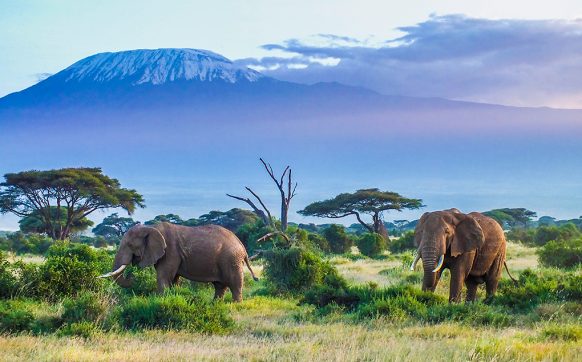
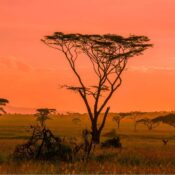
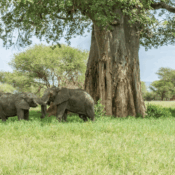
While the summit is barren, Kilimanjaro’s lower slopes support rich biodiversity. The rainforest zone is home to monkeys, bushbabies, and over 140 bird species. Large mammals such as elephants and buffalo occasionally roam the foothills from nearby protected areas.
Unique plant species like giant groundsels and endemic flowers thrive in the high-altitude zones, found nowhere else on Earth.
Climbing Mount Kilimanjaro
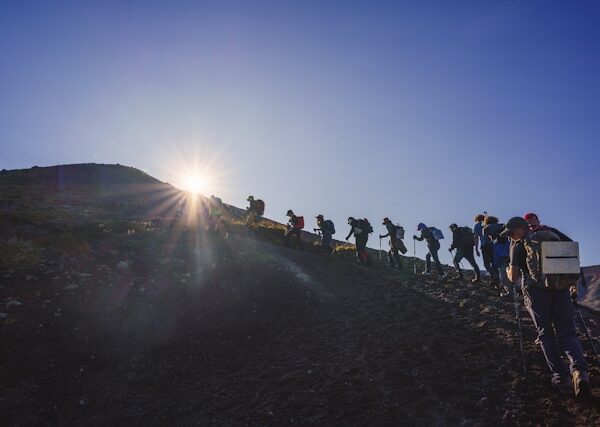
Mount Kilimanjaro is one of the few high mountains in the world that can be climbed without technical mountaineering skills, but it is still physically demanding.
Popular climbing routes include:
-
Marangu Route – Gradual ascent with hut accommodation
-
Machame Route – Scenic and challenging, high success rate
-
Lemosho Route – Longer, quieter, excellent acclimatization
-
Rongai Route – Drier, less crowded northern approach
-
Umbwe Route – Steep and demanding, for experienced trekkers
The main challenge is altitude sickness, which is why choosing the right route, pace, and experienced guides is critical to success.
Cultural Significance & Local Communities
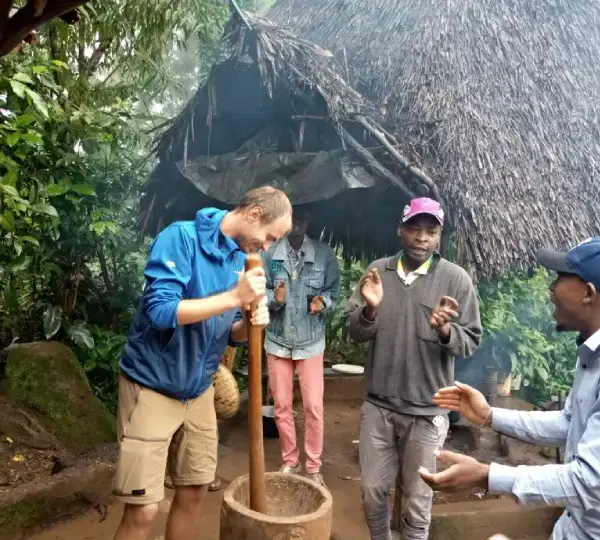
For the Chagga people, Mount Kilimanjaro is sacred. Known locally as “Kilema Kyaro”—the unconquerable mountain—it holds deep spiritual meaning tied to ancestral beliefs and traditions.
Today, local communities play a vital role in Kilimanjaro tourism as guides, porters, cooks, and lodge operators. Responsible tourism supports education, healthcare, and sustainable livelihoods while preserving cultural heritage.
Conservation & Environmental Challenges

Kilimanjaro’s glaciers have declined by nearly 90% over the last century due to climate change. Deforestation on the lower slopes further threatens water sources and ecosystems.
Conservation programs now focus on:
-
Reforestation projects
-
Sustainable tourism practices
-
Waste management on trekking routes
-
Community-led environmental stewardship
Protecting Kilimanjaro means protecting both nature and culture.
Why Climb Mount Kilimanjaro With Us?
-
Experienced, certified mountain guides
-
Ethical porter treatment
-
Proper acclimatization schedules
-
Quality camping equipment & meals
-
Safety-first approach
-
Local expertise and community support
We believe climbing Kilimanjaro should be safe, responsible, and life-changing.
Ready to Climb Mount Kilimanjaro?
Start Your Kilimanjaro Adventure Today
📧 Email: info@kachetoursandsafaris.com
📱 WhatsApp: +255 774 032 700