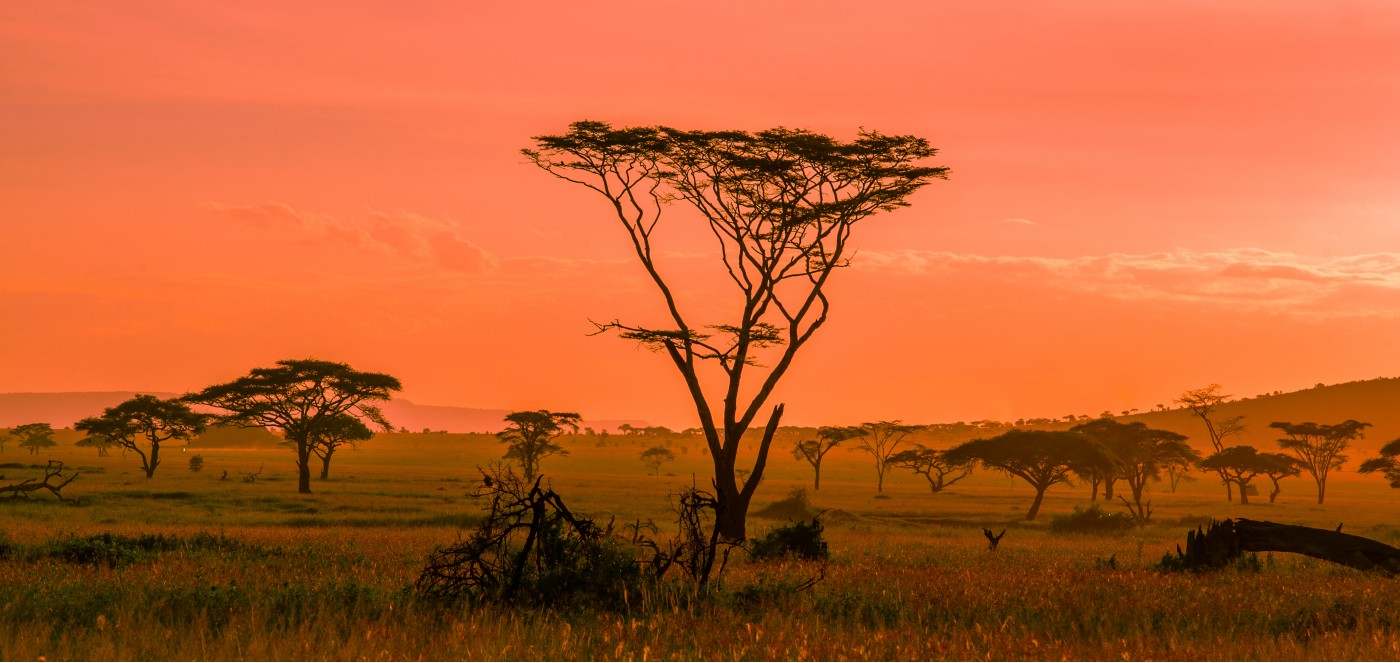
Serengeti National Park is Tanzania’s most famous safari destination, known for its sweeping savannahs, dramatic predator-prey encounters, and the legendary Great Migration. Covering 14,750 square kilometers, the park represents one of the last truly unspoiled wildernesses on Earth.
Visitors come here to witness Africa’s iconic wildlife in its natural habitat — from lions and leopards to elephants and cheetahs — and to experience vast landscapes that seem to stretch endlessly to the horizon.
A Landscape Shaped by Time
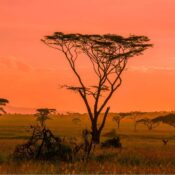
The Serengeti ecosystem has evolved over millions of years, with its gently undulating plains, kopjes (rocky outcrops), and riverine forests forming a rich tapestry of habitats. The name “Serengeti” comes from the Maasai word Siringet, meaning “endless plains”, perfectly capturing the park’s expansive vistas.
This diverse terrain supports a wide variety of flora and fauna, providing both grazing grounds for herbivores and hunting grounds for predators. The park’s rivers, seasonal waterholes, and grasslands create a dynamic environment that shifts with the rains and dry periods.
Wildlife Wonders
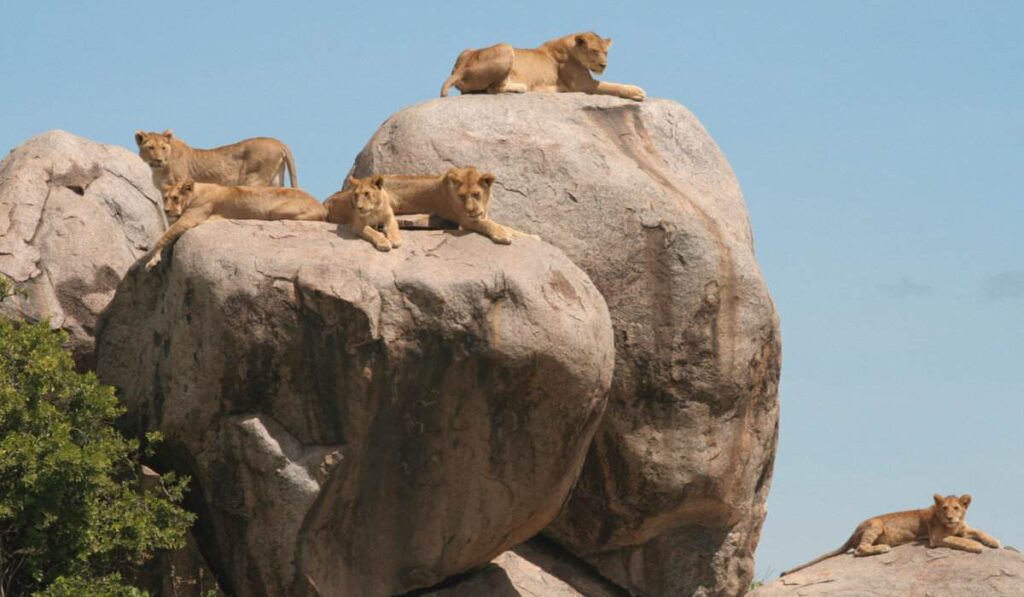
The Serengeti is a wildlife lover’s paradise, home to:
- Big Five: Lion, leopard, elephant, buffalo, rhino
- Other mammals: Cheetah, hyena, wildebeest, zebra, giraffe
- Birdlife: Over 500 species, including ostriches, raptors, and storks
The park’s predator-prey interactions are world-renowned. Lions, cheetahs, and leopards hunt across open plains while wildebeest and zebra herds navigate the grasslands, creating a spectacle that has inspired photographers, filmmakers, and travelers for decades.
The Great Migration
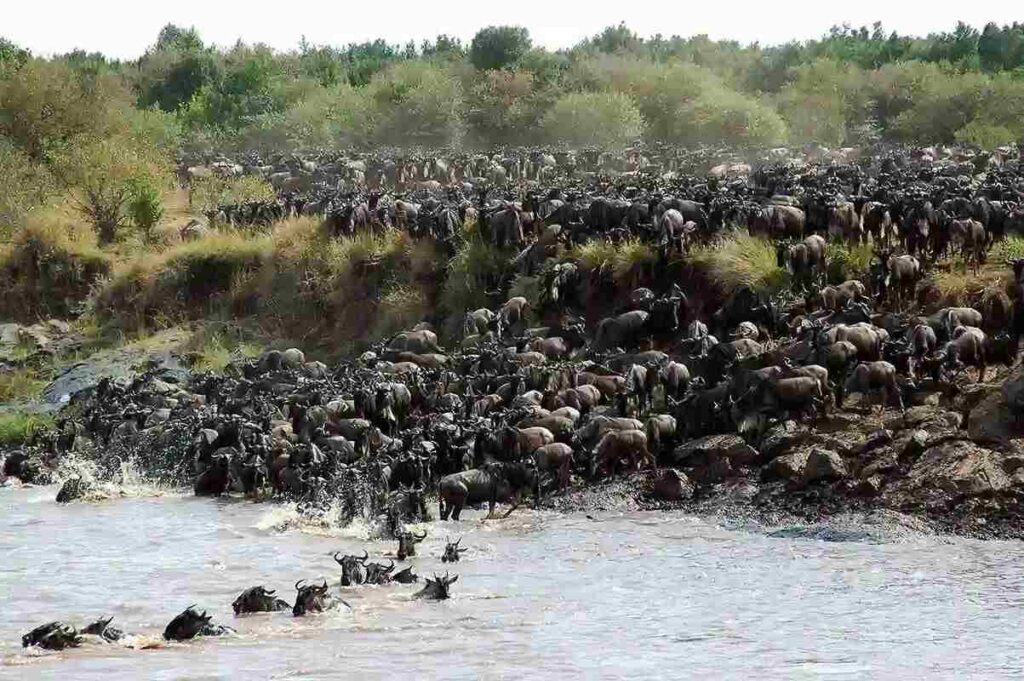
Serengeti’s claim to fame is the annual Great Migration, where over 1.5 million wildebeest, accompanied by zebras and gazelles, travel between Tanzania and Kenya in search of fresh pastures.
- Timing: Seasonal, generally June–October in northern Serengeti
- Highlights: River crossings, predator hunts, and dramatic herd movements
Unlike other destinations, Serengeti allows visitors to witness this awe-inspiring phenomenon without the crowds, offering intimate encounters with Africa’s most iconic spectacle.
Safari Experiences
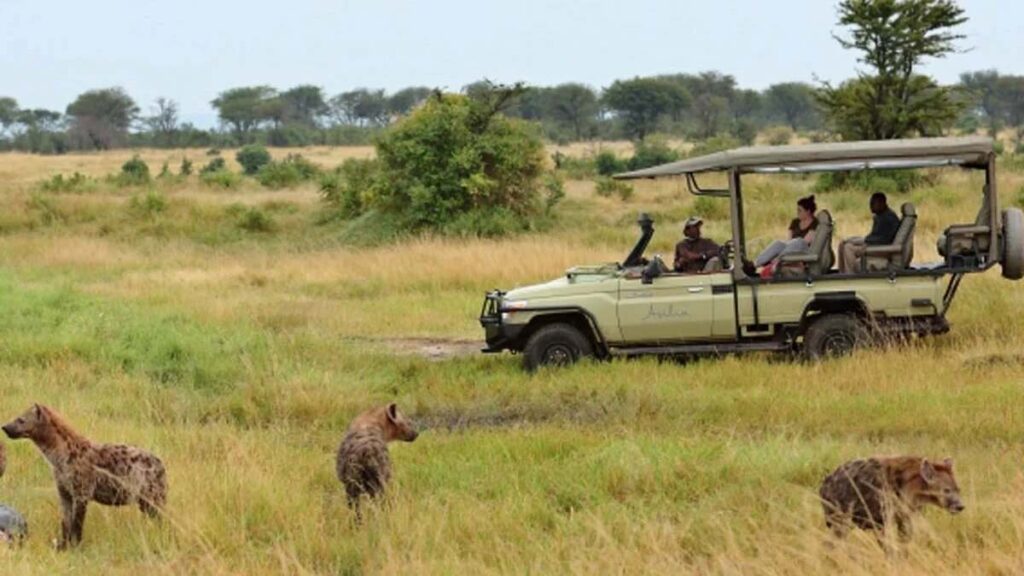
Serengeti offers more than game drives:
- Morning and evening game drives for optimal wildlife viewing
- Walking safaris with trained guides to explore smaller flora and fauna
- Photography tours to capture predators, landscapes, and migrating herds
- Cultural visits to Maasai communities on park borders
Visitors can choose from luxury lodges, tented camps, or eco-friendly campsites, all integrated seamlessly into the wilderness.
Conservation & Community
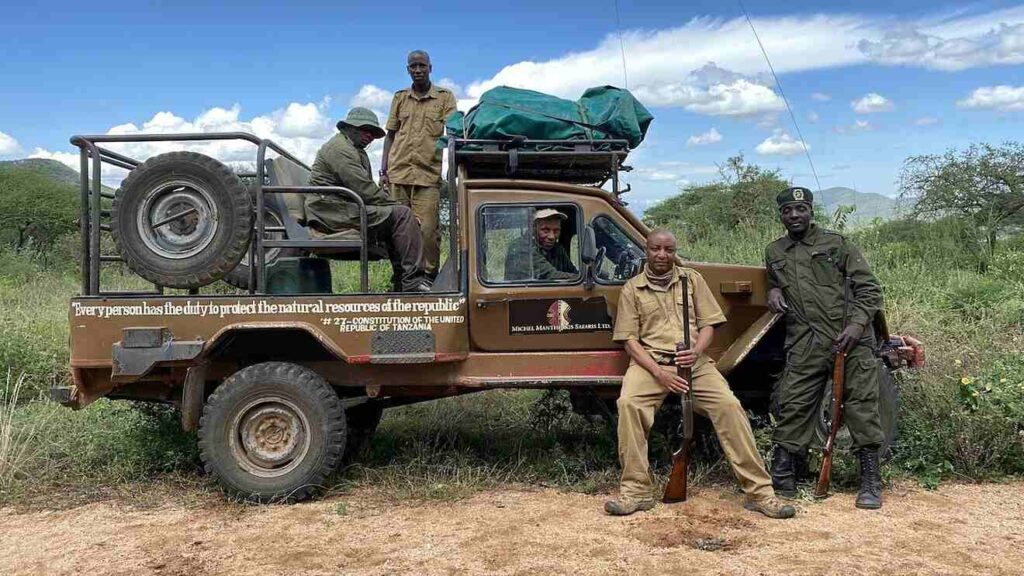
The Serengeti ecosystem thrives due to active conservation programs:
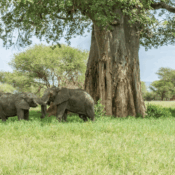
- Anti-poaching patrols protect elephants and rhinos
- Wildlife corridors ensure genetic diversity
- Community-led tourism supports local Maasai and other tribes
- Sustainable practices minimize environmental impact
Serengeti is a living classroom for conservation, balancing tourism, community benefit, and wildlife preservation.
When to Visit
- Dry Season (June–October): Best for wildlife sightings and migration
- Green Season (November–May): Lush landscapes, newborn wildlife, fewer crowds
Even short stays of 2–3 days provide unforgettable safari experiences across this iconic park.
Why Choose Us for Your Serengeti Safari?
- Expert guides with deep local knowledge
- Customized safari experiences (private or group)
- Ethical and sustainable tourism practices
- Comfortable vehicles with amenities for photography and safety
Experience Serengeti like never before — authentic, safe, and transformative.
Ready to Climb Mount Kilimanjaro?
Start Your Kilimanjaro Adventure Today
📧 Email: info@kachetoursandsafaris.com
📱 WhatsApp: +255 774 032 700